
Website Design for Contractors: Win More Bids
You're on a job site by 7 a.m. bidding jobs by lunch, and answering calls until dinner. The last thing you want to think about is your website. Yet that website is often the first thing a homeowner sees before they ever call you. If it looks like every other contractor site out there, or worse, like nobody's touched it since 2019, you're losing bids you never even knew you were competing for.
Website design for contractors isn't about flashy animations or clever taglines. It's about giving a homeowner enough reasons to trust you before they pick up the phone. This guide walks through exactly what pages and features do that job. Fix your site yourself, or hand this to someone who will.
Key takeaways:
- A contractor website needs specific trust-building pages, not generic "lead gen" templates: project galleries, licensing badges, service area pages, and simple quote forms.
- Homeowners search on their phones first. Mobile-first design isn't optional for contractors.
- Service area pages for cities like Phoenix, Peoria, Surprise, and Glendale help you get found by name, not just "near me."
- DIY builders can work for a hobby blog. A hands-on partner who builds and maintains your site tends to serve busy contractors better.
- You don't need a huge budget to look as trustworthy online as a large regional competitor.
Why Most Contractor Websites Don't Win Bids
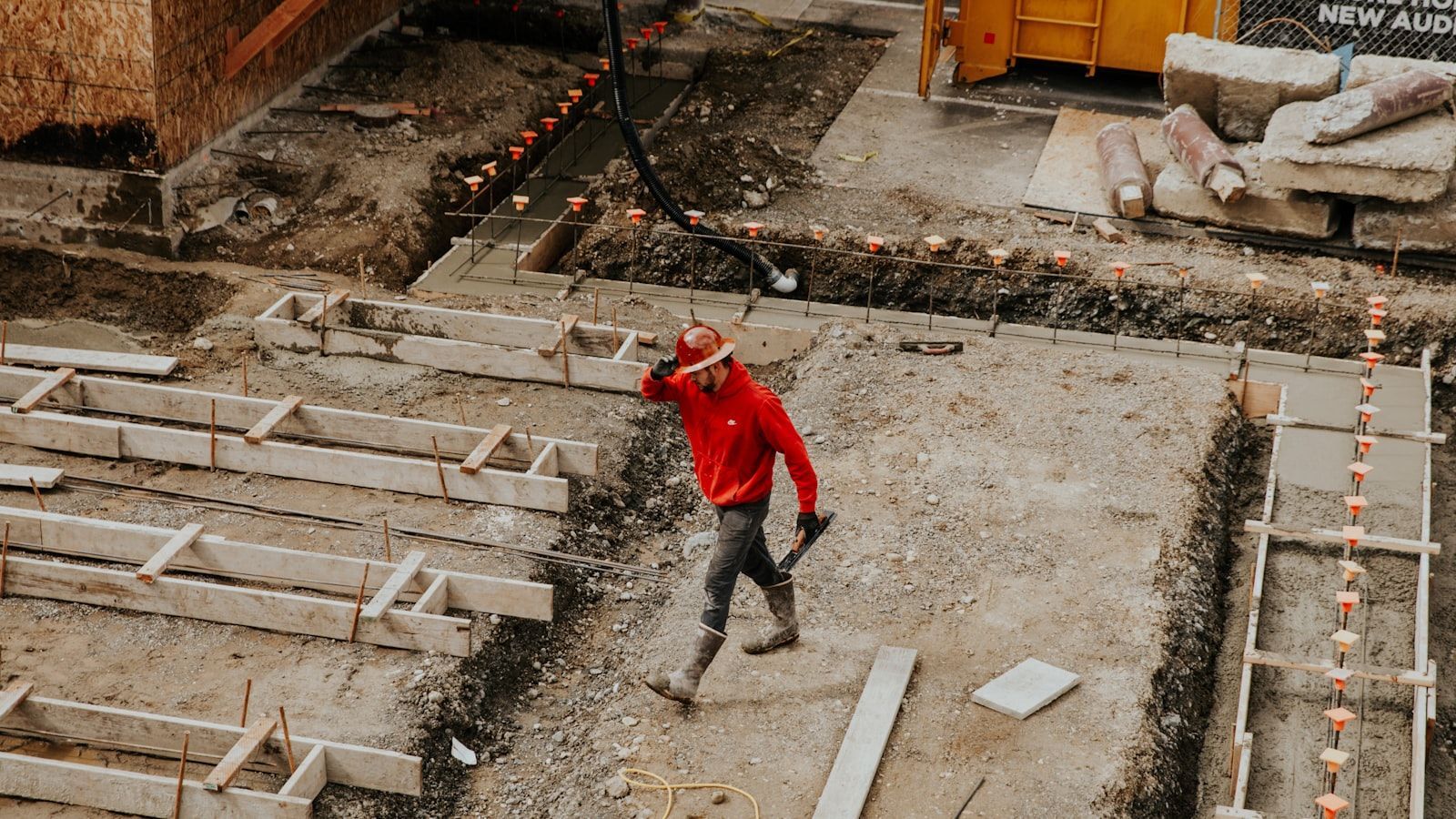
Search "contractor website" and you'll find a hundred agencies promising to "generate leads" with the same five-page template and stock photos of a guy in a hard hat who's never held a real drill. It looks fine. It says nothing. Check out our service page Contractor Website Design Phoenix to see where actual contractor leads come from.
Homeowners can spot a generic site in about three seconds. No real project photos. No mention of your license or insurance. A contact form buried three clicks deep. That site might technically exist, but it isn't doing any actual selling for you.
The Problem With Generic "Lead Gen" Templates and Stock Photos
Most template sites are built to be sold fast, not to convert. They're filled with vague copy like "quality craftsmanship you can trust" and a stock photo of a house that isn't even in your service area. None of that tells a homeowner why they should pick your remodeling company over the next name on their search results page.
A contractor website builder can get you online quickly. But speed isn't the same as effective. A site built for you, using your actual jobs, your actual license number, and your actual service area, does far more work than any template ever will.
What a Website for General Contractors Actually Needs
Forget trendy design tricks. A website for general contractors needs a handful of pages that answer the questions homeowners actually have: Have you done this kind of job before? Are you licensed? Can I reach you easily?
At minimum, that means a homepage that states what you do and where you work, a services page broken out by trade or project type, a gallery, a trust-signals section, and a quote request page. Want the fuller page-by-page breakdown? The must-have pages every small business site needs covers the structure in more detail.
Before-and-After Project Galleries That Build Trust
Nothing sells a remodeling job like seeing one already done. A before-and-after gallery shows a homeowner exactly what you're capable of, in a way words never can.
A remodeling company that swaps a generic "About Us" paragraph for a before-and-after project gallery gives homeowners the visual proof they need before they'll ever pick up the phone to request a quote. The same goes for HVAC and plumbing work. A photo of a clean install or a repaired system builds more confidence than a paragraph of marketing copy ever could.
Licensing, Bonding, and Insurance Badges Homeowners Look For
Homeowners are inviting a stranger into their house. They want to know you're licensed, bonded, and insured before that stranger shows up with a truck full of tools.
Put your license number, bond, and insurance badge right on the homepage, not buried on a contact page. It's one of the fastest ways a small contracting company can look as trustworthy as a large regional competitor. It costs nothing to add. It costs you bids every day that you don't.
Service Area Pages: Getting Found in Phoenix, Peoria, Surprise, and Glendale
A single "Service Areas" list buried in the footer isn't going to help you rank when someone searches "HVAC company in Surprise, AZ." Search engines and homeowners both want to see that you actually work in their city.
That means building out individual pages for the cities you serve: Phoenix, Peoria, Surprise, Glendale, and the wider West Valley. Each page should mention the city by name, reference nearby neighborhoods, and ideally show a project or two you've completed there.
Why West Valley Homeowners Search by City, Not Just "Near Me"
Plenty of homeowners still type "plumber near me." But a growing share search by city name specifically, especially once they've narrowed down a shortlist. If your site never mentions "Peoria" or "Glendale" by name, you're invisible to that search.
This is where local SEO and web design overlap. Building city-specific service pages, using consistent business information, and earning local reviews all feed into the same goal. For a deeper walkthrough, local SEO tips that help service businesses get found breaks down the tactics behind this strategy.
Easy-Click builds websites virtually for clients nationwide but specializes in West Valley trades: Phoenix, Peoria, Surprise, and Glendale. That means someone who actually knows the local market builds your service area pages, not a copy-paste template with your city name dropped in.
Mobile-First Design and Easy Quote Request Forms
Picture a homeowner standing in their kitchen, staring at a water stain on the ceiling, phone in hand. They're not sitting at a desktop searching leisurely. They need a plumber now, and they need your site to load fast and make sense on a small screen.
Most homeowners now search for contractors on their phone first. A site that isn't built mobile-first is quietly losing bids before the phone even rings. If your text is tiny, your buttons are hard to tap, or your quote form takes five minutes to fill out, that homeowner is already looking at your competitor's site instead.
Why Homeowners Searching on Their Phone Won't Wait for a Slow Site
Slow load times and clunky mobile layouts don't just annoy visitors. They push visitors straight to the next name on the search results page. Contractors lose real bids this way, not because the work is worse, but because the site made it too hard to reach them.
A short, mobile-friendly quote request form (name, phone, project type, maybe one more field) converts far better than a long questionnaire. Ask for the minimum you need to call them back, and let the phone call handle the details. For more on what actually improves form completion and calls, proven ways to improve your site's conversion rate covers the specifics. Why mobile-responsive design affects your rankings explains the technical side of why this matters to search engines too.
Affordable Website for HVAC, Plumbing, and Remodeling Companies
You don't need a five-figure website to compete with the bigger regional companies bidding against you. What you need is a site built around the pages and trust signals homeowners actually respond to, kept simple, and kept current.
An affordable website for contractors doesn't mean a cheap-looking one. It means smart choices: a clean design, a handful of strong pages, real photos, and a quote form that works. Skip the features you'll never use.
DIY Builders vs. a Hands-On Partner Who Maintains It For You
DIY website builders promise you can build a professional site in an afternoon. For some businesses, that's true. For a busy contractor juggling job sites, permits, and crews, "an afternoon" usually turns into months of a half-finished site that never gets published.
Even after it's built, a DIY site needs updates: new project photos, refreshed service pages, security patches, and fixes when something breaks. Most contractors don't have time for any of that. That's exactly the gap a hands-on partner fills. For a closer look at the tradeoffs, how a DIY builder compares to hiring a professional lays out the differences in plain terms.
Jesse Clark's background as an educator and trainer shapes how Easy-Click works with contractors: explaining the why behind every page instead of just handing over a finished site and disappearing. If you're weighing platform options more broadly, the best website platforms for service-based businesses is a useful next read. When you're ready to see real numbers, you can see affordable website pricing plans built specifically for small contracting businesses.
How to Get More Leads as a Contractor Online
If you want to know how to get more leads as a contractor online, most of it comes down to the fundamentals covered here rather than any clever trick:
- Show real before-and-after project photos, not stock images.
- Put your license, bond, and insurance information on the homepage.
- Build a service area page for every West Valley city you actually work in.
- Make sure your site loads fast and works well on a phone.
- Keep your quote request form short: name, phone, project type.
- Update your site regularly instead of letting it sit for years.
None of that requires a big budget or a marketing degree. It requires a site built around how homeowners actually decide who to call, and someone keeping it maintained after launch.
If you'd rather hand this off to someone who understands both the tech and the trades, book a free consultation with Easy-Click and get a mobile-friendly, bid-winning website built and maintained for you.
FAQ
What pages should a contractor website have to win more bids?
At minimum: a clear homepage, a services page, a before-and-after project gallery, a trust-signals section with licensing and insurance information, service area pages for each city you cover, and a simple quote request form.
How much should a small contracting business expect to pay for a professional website?
Costs vary based on how many pages, service areas, and features you need. An affordable website for contractors focuses on the essentials rather than expensive extras you won't use. You can compare real pricing options to get a sense of what fits your budget.
Do I need separate pages for each city I serve in the West Valley?
Yes, if you want to show up when homeowners search by city name. A single service area list in your footer won't rank the same way individual pages for Phoenix, Peoria, Surprise, and Glendale will.
Why does mobile-first design matter for contractors specifically?
Because most homeowners search for contractors from their phones, often in the middle of dealing with a problem right now. A slow or hard-to-navigate mobile site sends them straight to a competitor.
What trust signals actually convince homeowners to request a quote?
Licensing, bonding, and insurance badges displayed prominently, real project photos, and genuine reviews all do more to earn a quote request than polished marketing copy.
Is a DIY website builder good enough for a contractor, or do I need a professional?
A DIY builder can work if you have the time and interest to build and maintain it yourself. Most contractors don't have that time, which is why a hands-on partner who builds and maintains the site tends to be the more realistic option.
Share