
Nonprofit Website Design Arizona: A Practical Guide
Your website is often the first interaction a potential donor has with your mission. In a state as spread out as Arizona, that digital handshake matters more than ever. Effective nonprofit website design here means balancing professional credibility with the practical realities of serving communities from Phoenix to rural towns, so every visitor can navigate, trust, and support your cause regardless of device or location.
Key Takeaways
- Mobile-first design is non-negotiable. Supporters across Arizona increasingly access your content via smartphones, and responsive navigation is what keeps donors in both urban and rural areas from giving up partway through.
- Streamlined donation systems with fewer form fields and recurring gift options directly reduce abandonment during critical fundraising campaigns.
- Regional credibility comes from specific local impact stories and data, not generic national statistics. That's what builds trust with community-focused donors.
- Accessibility standards like WCAG compliance serve both as a legal safeguard and a mission commitment, helping older adults and Spanish-speaking audiences fully engage with your content.
- Choosing a web partner who understands nonprofit constraints prevents budget overruns and keeps post-launch support realistic for your team's technical capacity.

Why Arizona Nonprofits Need Mission-Driven Web Design
A beautiful site fails if it doesn't advance your organizational goals. That's the thinking behind mission-driven web design: it prioritizes mapping out the visitor's journey over decorative touches, so the site's structure actually matches what your organization is trying to do. Your digital presence has to work as a bridge between your programs and the people who fund them, turning complex social work into clear opportunities for people to get involved.
Building Trust Across Diverse Communities
Trust looks different in Tucson than it does in Flagstaff. Your website needs to signal relevance to each distinct audience without feeling fragmented. Professional design communicates stability to major donors in metropolitan areas, while authentic imagery and localized language reassure rural supporters that you understand their specific context. Get this balance right, and your organization avoids looking either too corporate for grassroots work or too informal for institutional funders.
Digital Presence as a Fundraising Tool
Your website should generate revenue, not just display information about your programs. Effective Arizona nonprofit sites put donation forms above the fold and keep the form fields to a minimum, which cuts down on abandonment during giving campaigns. Intentional choices like these turn casual visitors into committed supporters. Treat every page as a potential entry point for generosity, and you create more pathways for people to sustain your mission financially.
Essential Features for High-Converting Charity Websites in Arizona
Functionality drives fundraising success far more than aesthetics alone. Prioritize features that remove friction from the giving process: you need a technical foundation that makes donating easier than skipping past the ask, especially when you're competing for attention in a crowded digital space.
Streamlined Online Donation Systems
Secure payment gateways and recurring gift options are baseline expectations now, not extras. If you're unsure where to start, our guide on adding a donation button to your nonprofit website breaks down the technical steps without the jargon. Fewer clicks between landing and confirmation means more momentum during time-sensitive appeals.
Mobile-First User Experience
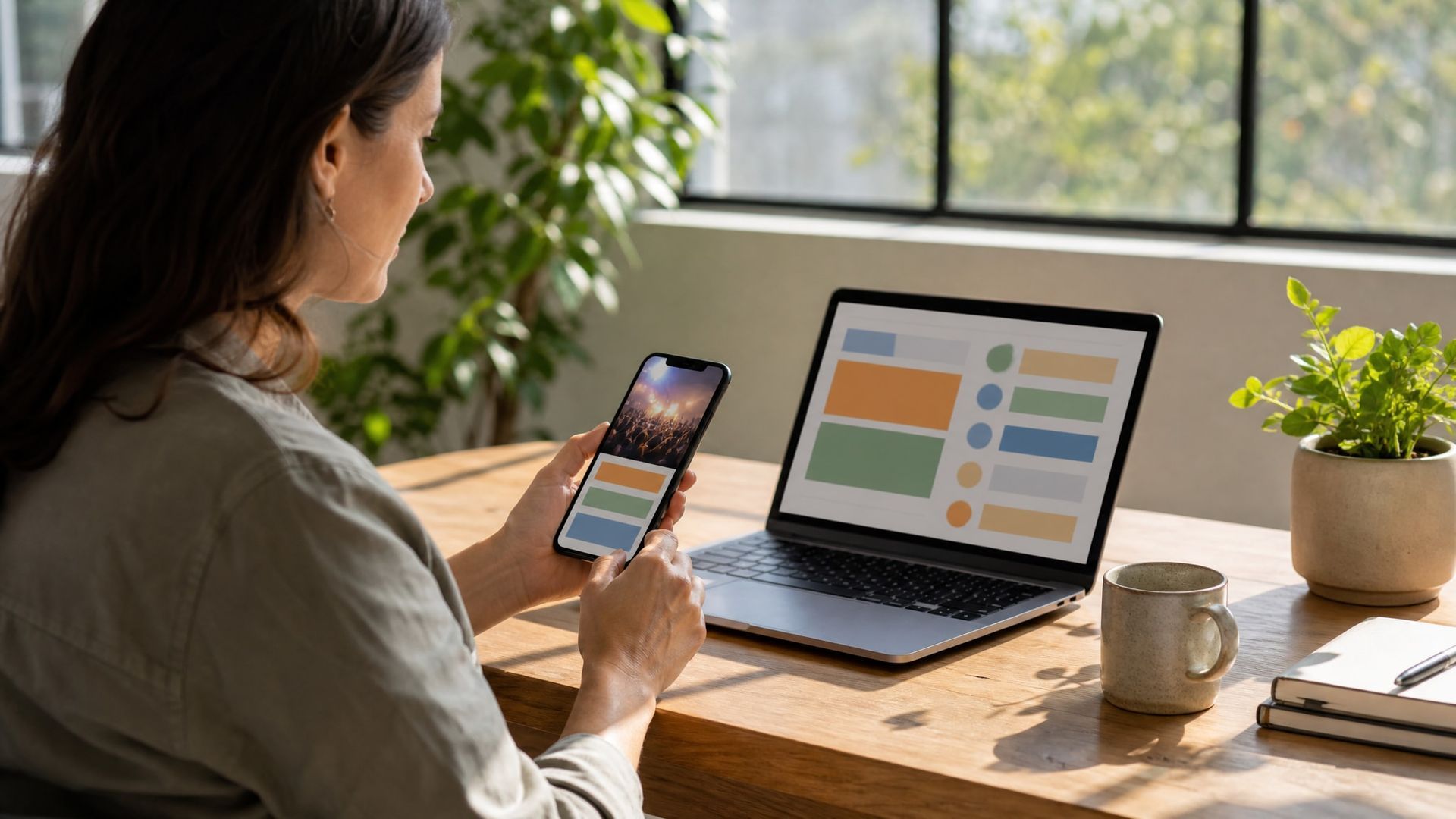
Mobile responsiveness matters because smartphone use keeps climbing across every demographic, especially among younger donors and rural residents with limited broadband. Mobile-first design means supporters accessing your site from a smartphone in rural Arizona can navigate content and complete a donation without zooming in or scrolling sideways. Our resource on making your nonprofit website more mobile friendly covers practical adjustments you can make right away.
Clear Calls to Action for Volunteers and Donors
Vague invitations get ignored. Replace passive language with direct commands that tell visitors exactly what to do next. A button labeled "Donate $25 Now" or "Register for Saturday's Event" outperforms a generic "Learn More" link because it reduces the thinking required and makes the value exchange obvious. Reviewing key elements a nonprofit website should include can help make sure your calls to action follow proven conversion principles instead of guesswork.
Designing for Accessibility and Inclusion in Community Organization Websites
Accessibility isn't an optional add-on. It's a core part of ethical nonprofit design, and it reflects your commitment to serving everyone. Poor contrast, missing alt text, or keyboard traps shut people out, and that contradicts the inclusive values most nonprofits say they stand for.
Meeting WCAG Standards Without Overcomplicating Design
The Web Content Accessibility Guidelines offer a framework for readability, navigation, and screen reader compatibility that benefits every user, not just those with disabilities. Start with sufficient color contrast, descriptive link text, and logical heading structures before you tackle advanced ARIA labels or dynamic content. These foundational fixes make your site usable for seniors with declining vision and for parents navigating quickly on a small screen.
Serving Arizona's Multilingual and Multi-Generational Audiences
Arizona's demographics call for websites that work for Spanish speakers and older adults without separate microsites or confusing toggle menus. Simple language, culturally relevant imagery, and consistent navigation bridge generational and linguistic gaps better than an automated translation widget ever will. Think about how font size and spacing affect readability for aging eyes as you plan your site.
Showcasing Impact to Build Credibility With Arizona Donors
Donors want proof that their contributions create tangible change in their own communities, not abstract global metrics. Authentic storytelling paired with verifiable local data is what turns skepticism into sustained financial commitment.
Using Stories and Data to Demonstrate Results
Pair beneficiary narratives with concrete outcomes, like meals served in Maricopa County or tutoring hours provided in Yuma, to ground emotional appeals in something measurable. Skip vague claims about "helping families" when you can say how many households got utility assistance last winter through your programs. That kind of specificity signals accountability and sets your nonprofit apart from organizations that lean on sentimental imagery alone.
Localizing Content for Regional Relevance
Generic stock photos of hands holding a globe undermine trust with Arizonans, who expect to see their own neighborhoods reflected in your communications. Feature recognizable landmarks, local volunteers, and region-specific program names to show that your work happens here, not somewhere distant. Ways to increase online donations digs into how localized content correlates with higher conversion among regional supporters.
Choosing the Right Nonprofit Web Design Services in Arizona
Choosing a design partner means weighing mission alignment alongside technical skill and pricing transparency. The right agency understands that your budget comes from restricted grants and individual gifts, not an unlimited corporate marketing fund.
Evaluating Agencies Based on Mission Alignment
Ask prospective designers how they've handled similar constraints for other nonprofits, rather than just requesting generic portfolio samples that may not reflect your reality. Partners who ask about your donor personas, volunteer recruitment challenges, and grant reporting needs are showing sector fluency that goes beyond standard web development skills. Easy-Click Web Design helps Arizona nonprofits simplify technology so your team can focus on advancing its mission instead of troubleshooting a website, and that mission-first approach shapes every engagement we take on.
Budget-Friendly Options for Small and Mid-Sized Charities
Transparent pricing prevents the surprise change orders that drain reserves meant for program delivery. A phased rollout lets you launch the essential features now and defer the nice-to-haves until next year's funding cycle. If you want deeper strategies without committing to an agency right away, The Nonprofit Technology Guide lays out practical frameworks for building a better digital presence on a nonprofit budget.
None of this guarantees viral fundraising or a top search ranking overnight. Sustainable digital growth takes consistent effort well past the initial launch, and keeping your expectations realistic protects your organization from vendors who promise quick fixes and then can't deliver on the timeline they sold you.
Frequently Asked Questions About Arizona Nonprofit Websites
How much does nonprofit website design cost in Arizona?
Project costs vary based on what functionality you need, but most small to mid-sized Arizona nonprofits invest between $3,000 and $8,000 for a custom, donation-optimized site. A transparent agency gives you a detailed scope document upfront, so you know exactly what each line item covers before you sign anything.
What platform is best for small charity websites?
WordPress tends to be the most flexible choice for Arizona nonprofits, thanks to its wide range of plugins for donations, events, and accessibility compliance, all without locking you into a proprietary system. Squarespace or Wix can work for very small organizations with minimal customization needs, but they often limit how much you can scale as your programs grow.
How long does it take to redesign a nonprofit site?
Most redesign projects run eight to twelve weeks from discovery through launch, depending on how ready your content is and how quickly stakeholders respond during feedback rounds. Delays usually happen when organizations underestimate the time it takes to gather approved photos, write updated program descriptions, and thoroughly test the donation workflow.
Share